
For Research Use Only · Not For Human or Veterinary Use · Not FDA-Approved
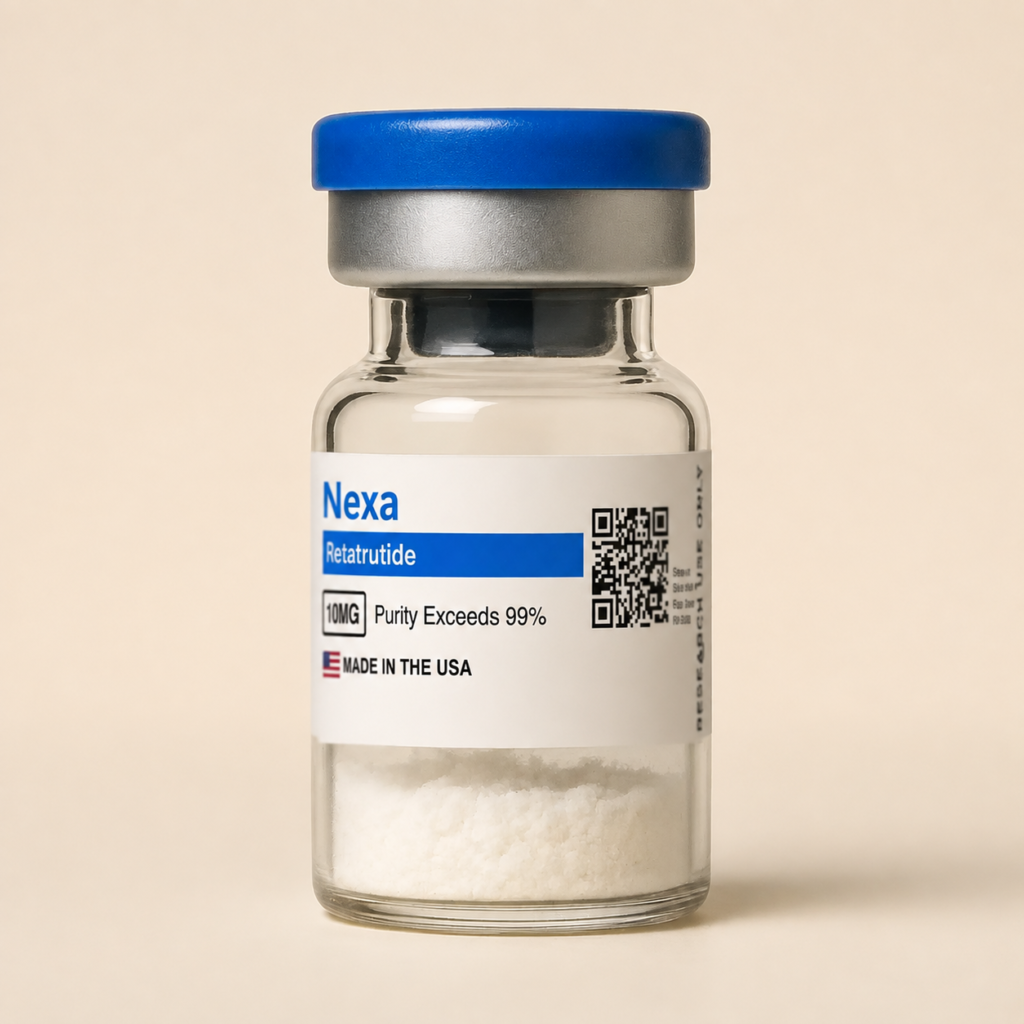
Vial size
Kisspeptin-10 — independently assayed, batch-tested, and shipped from our fulfillment facility in San Antonio. Released only after an independent laboratory returns its results for the batch.
Select your pack size
Single
$74.99
$74.99 / vial
3-Pack
$213.72
$213.72 / vial
Save $11.25
6-Pack
$404.95
$404.95 / vial
Save $44.99
BEST DEAL
— About this compound
Kisspeptin-10 is the C-terminal decapeptide of metastin, the 54-residue, carboxy-terminally amidated product of the KISS1 gene. KISS1 was characterised in the 1990s as a suppressor of melanoma and breast-carcinoma metastasis, but its peptide product was not matched to a receptor until 2001, when Ohtaki and colleagues at Takeda isolated metastin from human placenta and identified it as the endogenous ligand of the orphan G-protein-coupled receptor hOT7T175 — the receptor subsequently known as GPR54 and now designated KISS1R. The 45–54 fragment retains receptor-activating potency and is the form most commonly used in laboratory work. Like other members of the RFamide family, the decapeptide terminates in an amidated Arg-Phe motif; that C-terminal amide is a structural requirement rather than a formality, and the free-acid form YNWNSFGLRF-OH is a different compound, not KP-10.
— Mechanism
Kisspeptin-10 is described in the literature as a high-affinity agonist at KISS1R (GPR54), a Gq/11-coupled receptor whose activation drives phospholipase C-β, inositol trisphosphate generation, intracellular calcium mobilisation and ERK1/2 phosphorylation. KISS1R is expressed on GnRH neurons of the hypothalamus, and the proposed mechanism situates kisspeptin one synaptic step upstream of the GnRH pulse generator: kisspeptinergic neurons in the arcuate nucleus and the anteroventral periventricular nucleus are held to relay gonadal steroid feedback and metabolic state onto GnRH neurons, which in turn govern pituitary gonadotropin release. The human loss-of-function genetics are the principal evidence for this placement — inactivating KISS1R mutations produce hypogonadotropic hypogonadism while the pituitary remains responsive to exogenous GnRH. Consistent with an action upstream of the pituitary rather than at it, the 2015 human comparison found GnRH associated with higher gonadotrophin output than either kisspeptin species at the levels tested. Receptor desensitisation on sustained exposure, and rapid enzymatic cleavage of the decapeptide, are recurring variables in the published pharmacology and remain areas of active investigation.
— How it’s made
Every Nexa batch follows the same documented path. Five steps, every one verifiable.
01
Sourcing
Active pharmaceutical ingredient sourced from FDA-registered manufacturers. Identity confirmed against reference standard before any compounding begins.
02
Compounding
Lyophilized in a cleanroom at our US facility. The powder format gives ≥24 months sealed stability — no cold-chain shipping required.
03
Verification
Reverse-phase HPLC-UV (UV/MS for higher-MW peptides) confirms identity and purity for every batch before it leaves the lab. The chromatogram is archived.
04
Release
No batch ships until an independent laboratory has returned its identity and purity results and the certificate is published in the COA library.
05
Dispatch
Sealed vials with a QR code on the label that opens the COA library. Order before 2pm CT Monday–Thursday for same-day dispatch. UPS Ground, tracked + insured.